images (4)

Learn more about rtms

Repetitive Transcranial Magnetic Stimulation (rTMS) is a non-invasive brain stimulation technique that uses magnetic fields to stimulate nerve cells in the brain. It involves placing a coil on the scalp and delivering rapid, repetitive magnetic pulses to specific areas of the brain. rTMS has been shown to have potential therapeutic benefits for a range of conditions, including depression. It is also being investigated for its potential use in treating other neurological and psychiatric disorders, such as schizophrenia and obsessive-compulsive disorder (OCD).

rTMS is a relatively new technique in India, and its availability and use may vary depending on factors such as the availability of trained professionals, equipment, and funding. Some hospitals and clinics in major cities such as Pune, Bengaluru, Hubli may offer rTMS as a treatment option for certain conditions, particularly depression, and anxiety. If you are interested in receiving rTMS in Pune or Bengaluru or Hubli it is recommended that you consult with a medical professional who can provide personalized advice and guidance on the availability and suitability of rTMS for your specific needs. Here are a few advantages of repetitive transcranial magnetic stimulation to give you a better understanding of the process-

Non-Invasive:

As mentioned previously, rTMS is a non-invasive procedure that works outside the body, without requiring any surgery or electrode implantation. It involves sending harmless electromagnetic waves into the brain through the skull to stimulate specific mood-regulating cells that release neurotransmitters like serotonin and dopamine. A small electromagnetic coil is placed on the scalp to create magnetic waves that stimulate the nerve cells.

No extreme side effects:

rTMS has no lasting or severe side effects. This treatment may be good option for people with for depression and anxiety disorders who experience some side effects with medication such as nausea, weight gain, sedation or sexual dysfunction. ECT is another treatment method for brain disorders, but it involves anaesthesia and can cause headaches, difficulty retaining information, long-term memory loss, confusion, and muscle aches.

Some mild effects with rtms stimulation include mild headache, dizziness, or slight scalp discomfort but are usually brief and dissipate within minutes of the session ending.

Effective Method:

rTMS has proven to be a highly effective treatment for mental health disorders, with a success rate of up to 70%. The positive results of TMS continue long after the treatment is completed, with 90% of individuals experiencing the benefits 12 months later. rTMS has also been found to produce positive outcomes in patients who have not responded well to antidepressant medication. rTMS may also be a treatment option for people with depression or anxiety who do not prefer medication or those who have side effects with medication.

Final Thoughts:

In addition to the benefits discussed earlier, rTMS offers further advantages over other treatments. Unlike ECT, rTMS does not require the use of anaesthesia or sedatives, which are typically used during the ECT procedure. Moreover, rTMS do not cause any side effects which may occur with some on antidepressants. It is crucial to conduct thorough research and consult a medical professional before deciding to undergo rTMS to make an informed decision.

Ketamine-therapy

Ketamine therapy: a new hope for depression

Major depressive disorder is a severe condition that can significantly affect a person’s productivity, ability to function, and quality of life. Around 15% people face depression in their lifetime. 30% patients may not show full improvement with medication and psychotherapy. Hence there is a need for new treatment approaches to help those suffering from depression. Ketamine for depression has emerged as a promising treatment option over the last few years. The drug has been found to have antidepressant effects at low doses.

What is Ketamine?

Ketamine is an anaesthetic agent which has been used safely for general anaesthesia for many decades. Recently it has been demonstrated in scientific studies that at low doses it has a rapid and robust antidepressant effect. The drug works by targeting the glutamate system in the brain, which is involved in mood regulation. It is widely gaining acceptance in the USA, Europe, and India as a treatment for people with acute depression and feeling suicidal, chronic depression or treatment-resistant depression.

How Does It Work?

Ketamine is mostly administered through intravenous infusion and it is usually reserved for patients with severe and treatment-resistant depression. Your psychiatrist will evaluate and decide whether ketamine infusion is an option for you and if you are medically fit to receive the treatment. The IV infusion takes approximately 40 minutes to complete and is given in a hospital under medical supervision. The patient is monitored by a doctor throughout the infusion. After the infusion, a little sedation or dissociative experience may be experienced by some people which typically lasts for 15 to 20 minutes after the infusion. After an observation period of an hour, the person is sent home. The treatment involves at least six infusions of ketamine over a period of two weeks for it to be effective

Effectiveness of Ketamine Therapy

It has been found to have a rapid and persistent antidepressant effect after just one dose, suggesting it may play a role in neuroplasticity. Studies have demonstrated remission of depressive symptoms one week after the administration of the drug. A recent meta-analysis of various studies also found that ketamine has antidepressant efficacy starting from day one of treatment in patients with unipolar and bipolar depression.

The neuropsychiatric effects of sub-anaesthetic doses of ketamine have been found to aid in managing suicidal ideation and reduce self-harm or suicide in addition to alleviating depressive symptoms. This suggests that ketamine may be a promising option for individuals with severe depression who are at risk of suicide.

Final Thoughts

The available evidence suggests that ketamine may be a beneficial treatment option for people with acute, chronic, or treatment-resistant depression. Few centers in India and Pune offer ketamine therapy for depression. It’s important to talk to a psychiatrist to take an informed decision on whether ketamine is a good treatment option for you.

virtual reality

Virtual reality therapy for anxiety

Virtual reality (VR) is a computer-generated simulation of an environment that allows the user to experience a sense of presence and immersion within it. By using a headset or other similar device, the user can interact with a three-dimensional environment as if it were real. This technology has a wide range of applications, including gaming, education, training, and therapy. It relies on a combination of hardware and software, such as sensors, cameras, and rendering engines, to create a fully immersive experience. The goal of VR is to create a convincing and interactive world that can be experienced as if it were real.

Virtual reality exposure therapy (VRET) is a therapeutic approach that involves exposing patients to anxiety provoking stimuli through virtual environments. Instead of directly facing the real-life source of anxiety, patients are gradually exposed to it through replicated scenarios in a controlled and safe setting. This allows patients to reap the benefits of confronting and managing their distress while avoiding potential harm associated with real-life exposure. VRET offers a creative and effective method of managing various mental health conditions, including anxiety disorders, OCD, and phobias. The anxiety situations that a person can be exposed to through VRET include 

1) Fear of flying

2) Stage fear

3) Fear of heights

4) Fear of insects or animals

5) Fear of blood, needles, hospitals

6) Fear of small spaces, lifts

7) Fear of being in crowded places

8) Fear of contamination (OCD)

How does it work?

Researchers suggest that VRET offers patients an engaging and immersive experience within a virtual world, where mental health professionals have complete control over exposure to the simulated environment. This level of control allows for tailored manipulation of scenarios that are catering to the individual’s needs during therapy sessions. VRET provides a secure and novel way to treat mental health conditions, where patients can benefit from a therapeutic experience without being exposed to experiential trauma.

Effectiveness of VRET:

In a study published in the Journal of Anxiety Disorders, researchers used VRET to treat individuals with a fear of flying. Participants underwent six sessions of VRET, involved virtual flights of increasing duration and complexity. Results showed a significant decrease in anxiety levels, with 93% of participants reporting an improvement in their fear of flying.

In another study published in the Journal of Psychiatric Research, researchers used VRET to treat individuals with social anxiety disorder. Participants underwent six sessions of VRET, which involved virtual social interactions of increasing complexity. Results showed a significant decrease in anxiety levels, with 87% of participants reporting an improvement in their social anxiety symptoms.


Steps Involved In VRET:

  1. Assessment: The therapist conducts an assessment to understand the patient’s anxiety triggers and severity of symptoms.
  2. Virtual environment creation: The therapist or a virtual reality programmer creates a virtual environment that simulates the patient’s anxiety triggers. The virtual environment can be tailored to the patient’s needs, such as specific situations or scenarios that trigger their anxiety.
  3. Exposure: The patient wears a virtual reality headset and enters the simulated environment. The therapist controls the environment and gradually exposes the patient to anxiety-provoking situations, starting with mild triggers and gradually increasing the difficulty level.
  4. Coping strategies: As the patient is exposed to anxiety-provoking situations, the therapist teaches them coping strategies to manage their anxiety. This can include relaxation techniques, cognitive-behavioral therapy, and mindfulness exercises.
  5. Reinforcement: The therapist reinforces positive progress and encourages the patient to continue practicing coping strategies in the virtual environment and real-life situations.
  6. Follow-up: The therapist conducts follow-up sessions to assess the patient’s progress and make any necessary adjustments to the therapy plan.

Final Thoughts:

In summary, virtual reality therapy (VRET) has been demonstrated to be a novel, effective form of treatment for different types of anxiety disorders. The secure and monitored setting provided by VRET enables patients to face their fears and acquire coping mechanisms, resulting in notable symptom improvements. Reach out to us for treatment for anxiety in Pune.

psychotherapy

Psychotherapy and how it works

Hi! Welcome to therapy! Now that you’ve decided to embark on this journey of self-discovery and growth, we wanted to take a moment to talk to you about how things work in therapy and what you can expect as we move forward together.

First things first, therapy is a collaborative process. We’re a team, and our goal is to create a safe and supportive space where you can explore your thoughts, feelings, and experiences. We are here to listen, guide, and offer insights, but ultimately, you’re in the driver’s seat. You get to decide what you want to explore and work on, and we’ll go at a pace that feels comfortable for you.

How therapy works

Confidentiality- It is a cornerstone of therapy. It’s important for you to know that whatever you share with us is strictly confidential. We are bound by professional ethics and legal obligations to protect your privacy. This means that we won’t disclose any information about our sessions without your explicit consent, except in very rare circumstances where there’s a risk of harm to yourself or others.

Non-judgemental space– Therapy is a space where you can be your authentic self. It’s okay to feel vulnerable, and it’s okay to bring up any topic that’s on your mind. There’s no judgment here. We are here to provide a non-judgmental and empathetic ear.

Self-awareness– Together, we’ll explore your thoughts and emotions, identify patterns, and gain insights into your behaviors and beliefs. This self-awareness will be the foundation for your personal growth.

Slow process- It’s important to remember that therapy is not a quick fix. It’s a process that takes time and effort. It’s like planting a seed and watching it grow. There may be ups and downs along the way, but that’s all part of the journey. Sometimes, things may feel challenging or uncomfortable as we delve into difficult emotions or confront deep-seated beliefs. But trust that this discomfort is often a sign that growth is happening.

Techniques– While therapy is primarily focused on exploring the past and understanding how it shapes your present, it’s also about building practical skills and strategies for coping with life’s challenges. We will work with you to develop personalized tools and techniques that can help you manage stress, regulate your emotions, and improve your relationships. The goal is to empower you with the tools you need to thrive outside of therapy.

Expectations– It’s important to have a clear idea of how you envision your therapy sessions and communicate your preferences to your therapist. This will enable them to tailor the therapy to your specific needs and work at a pace that feels comfortable for you. Lastly, it’s crucial to maintain realistic expectations when starting therapy. It’s a gradual and collaborative process that demands your commitment and active engagement. The results you achieve will be directly proportional to the effort and energy you invest in the therapeutic journey.

We are truly excited for you to take this step and help you navigate the complexities of life, uncover your strengths, and help you live a more fulfilling and authentic life. Remember, therapy is a place for you to be yourself, to heal, and to grow. Reach out to us for Psychotherapist in Pune. We are here to support you every step of the way.

WhatsApp Image 2025-12-19 at 4.58.10 PM (1)

Obsessive Compulsive Disorder – Its Symptoms, And Expert OCD treatment in Pune

The lockdown and pandemic have led to a rise in mental health problems in Maharashtra, particularly in cities like Pune and Mumbai. Mental health professionals have observed that OCD, anxiety, and depression are the most prevalent issues. While people are aware of anxiety and depression, OCD seems to be overlooked. Some studies suggest that strict sanitation and health protocols may have triggered OCD in some individuals. But what exactly is OCD?

Psychiatrists and other mental health professionals that provide OCD treatment in Pune suggest that Obsessive-compulsive Disorder or OCD refers to a condition where a person experiences unwanted and involuntary thoughts and fears, which then result in repetitive behaviours. These behaviours can cause significant distress to the individual. Let’s try to understand OCD in detail:

What is Obsessive Compulsive Disorder and its Symptoms?

OCD is a mental health disorder that involves the presence of obsessions and compulsions. Obsessions are unwanted and distressing thoughts, urges, or images that persist and intrude when the individual is trying to focus on other things. These obsessions can have specific themes, such as fear of contamination, doubts, need for orderliness, aggressive or horrific thoughts, or unwanted thoughts related to sexuality or religion.

Compulsions, on the other hand, are repetitive behaviors or mental acts that are performed in response to obsessions. These compulsions are meant to reduce anxiety or prevent something bad from happening. However, engaging in compulsions often brings no pleasure and only provides temporary relief from anxiety. People with OCD may create rules or rituals to follow to control their anxiety when experiencing obsessive thoughts, and these compulsions can be excessive and not realistically related to the problem they’re intended to solve.

Treatment Options

Exposure therapy- A type of cognitive-behavioral therapy known as exposure and response prevention (ERP), is the preferred psychotherapy for treating OCD. ERP involves gradually exposing individuals to their obsessions while asking them to refrain from performing compulsions that typically alleviate their anxiety and distress. The process is conducted at the individual’s own pace, and therapists should not compel them to do anything against their will.

As technology continues to evolve, new forms of treatment for obsessive-compulsive disorder (OCD) have emerged, including the use of virtual reality (VR) in ERP therapy. This innovative approach provides individuals with a safe and realistic environment to confront their obsessions and compulsions while allowing therapists to control the intensity of exposure. VR-based ERP therapy has shown promising results in the treatment of OCD and is becoming an increasingly popular choice for therapists and patients alike.

Medicines- In some cases, medication may be necessary to treat OCD if talk therapy is ineffective or the condition is severe. Selective serotonin reuptake inhibitors (SSRIs), a type of antidepressant, are the primary medications prescribed. SSRIs work by increasing serotonin levels in the brain, which can help improve OCD symptoms. However, it is essential to consult a mental health professional before starting or stopping any medication.

rTMS- Repetitive Transcranial Magnetic Stimulation (rTMS) is a cutting-edge treatment option for individuals suffering from obsessive-compulsive disorder (OCD) who don’t respond to conventional treatments like psychotherapy and medication. rTMS aims to calm down the parts of the brain responsible for causing obsessions and compulsions in individuals with OCD.

Final Thoughts

The surge in OCD cases during the pandemic has raised concerns about the availability and quality of treatment options in Pune and other parts of Maharashtra. It is important to carefully consider which healthcare professional can offer the best care and resources before deciding on a treatment plan for the same.


WhatsApp Image 2025-12-19 at 4.59.00 PM

Understanding Alzheimer’s Disease

As we commemorate World Alzheimer’s Day in 2023, it is crucial to shed light on a growing concern that affects millions of people worldwide. As our population ages, the prevalence of Alzheimer’s disease and other forms of dementia is on the rise. This day serves as a reminder of the importance of raising awareness, providing support, and promoting early detection and prevention of this debilitating condition.

What Is Dementia?

Dementia is a broad term that encompasses various cognitive impairments characterized by a decline in memory, thinking, communication, and the ability to perform everyday activities. Alzheimer’s disease is the most common form of dementia, accounting for approximately 60-80% of all cases. Other types of dementia include vascular dementia, frontotemporal dementia, and Lewy body dementia.

Symptoms of Dementia:

The symptoms of dementia can vary depending on the type and stage of the disease, but some common signs to look out for include:

  1. Memory Loss: Forgetfulness, particularly of recent events or important dates.
  2. Difficulty with Language: Struggling to find words or understand and express thoughts.
  3. Impaired Judgment: Poor decision-making and difficulty planning or organizing.
  4. Disorientation: Getting lost in familiar places or losing track of time.
  5. Decreased Motor Skills: Difficulty with coordination and completing routine tasks.
  6. Changes in Behavior and Personality: Mood swings, agitation, and personality changes.
  7. Withdrawal: A tendency to isolate oneself from social activities and responsibilities.

Early Identification of Dementia:

Detecting dementia in its early stages can significantly improve the quality of life for affected individuals and their families. Here are some steps to help identify dementia early:

  1. Regular Health Check-ups: Schedule routine medical check-ups, especially if you or a loved one is over the age of 65, to monitor cognitive function.
  2. Recognize Warning Signs: Be aware of the common symptoms of dementia and seek medical advice if you notice any concerning changes.
  3. Memory Screening: Participate in memory screenings, which can be valuable in identifying cognitive decline.
  4. Family History: If dementia runs in your family, discuss this with your healthcare provider, as genetics can play a role in some cases.
  5. Cognitive Assessments: Doctors may conduct cognitive assessments to evaluate memory, problem-solving, and language skills.

If any of the above symptoms are seen in your loved ones above the age of 60 don’t forget to get a cognitive evaluationbesides a physical health check.

Simple Tips for Dementia Prevention

While there is no guaranteed way to prevent dementia, several lifestyle choices may reduce the risk and promote brain health:

  1. Stay Physically Active: Regular exercise improves blood flow to the brain and may reduce the risk of cognitive decline.
  2. Maintain a Balanced Diet: Eat a diet rich in fruits, vegetables, whole grains, and healthy fats, while limiting sugar and saturated fats.
  3. Engage in Mental Stimulation: Keep your mind active through activities like puzzles, reading, learning new skills, or taking up a new hobby.
  4. Socialize: Stay socially connected to reduce feelings of isolation and depression, which can be risk factors for dementia.
  5. Manage Chronic Conditions: Control conditions like diabetes, high blood pressure, and high cholesterol to protect your brain health.
  6. Get Quality Sleep: Aim for 7-9 hours of restful sleep each night to support cognitive function and memory consolidation.

Conclusion:

On World Alzheimer’s Day 2023, let us join hands to raise awareness about dementia, particularly Alzheimer’s disease, and emphasize the importance of early detection and prevention. By understanding the symptoms, recognizing warning signs, and adopting a brain-healthy lifestyle, we can take significant steps toward reducing the impact of dementia on our aging population. Reach out to us for Dementia treatment in Pune. Together, we can strive for a world where individuals with dementia and their families receive the support and care they deserve.

Neurologist in moden clinic preparing patient headset with sensors for brain scan with high tech technology device, tomography. Searching diagnosis for ill nervous system.

How to use AI in mental health

Mental health professionals have watched the rise of AI-based therapy tools with keen interest—and growing concern. These tools offer unprecedented access to emotional support, yet they lack the ethical, clinical, and human safeguards fundamental to mental health care. Recent tragedies underscore that AI should augment, not replace, human care.

  1. Promise and Use Cases: Where AI Therapy Can Help
  • Accessibility and immediacy: AI chatbots are available 24/7, a boon to individuals who lack access to timely mental health care due to financial, geographical, or social barriers.
  • Reduced stigma: Some clients may feel more comfortable sharing difficult thoughts anonymously with AI, helping them take early steps toward seeking help.
  • Support tools—not replacements: AI can assist with mood tracking, psychoeducation, journaling prompts, or prepping for therapy sessions. When used thoughtfully, these tools can empower clients between sessions.
  1. Grim Warnings: AI in Mental Health Can Be Dangerous

Case Study: Sophie Rottenberg

A troubling and recent headline illustrates the stakes too clearly. Sophie Rottenberg, aged 29, died by suicide after months of confiding exclusively in a ChatGPT-based AI therapist known as “Harry.” Her mother discovered their chat logs five months after her death, revealing her hidden distress. Although the AI offered empathetic language (“You are deeply valued…”), it lacked the ethical duty to act in crisis situations—a responsibility that human therapists have (e.g., duty to breach confidentiality for patient safety). The AI unintentionally contributed to what Sophie’s mother called a “black box” that masked her true state from others (IndiatimesIndiatimes).

AI-Induced Psychosis and Delusional Amplification

Another emergent risk is what’s termed “AI psychosis” or “AI-associated psychosis.” In interactions with users who may already be prone to delusional or disorganized thinking, chatbots can reinforce and expand these beliefs in dangerous ways. (Psychology Today).

  1. Where AI Therapy Can—and Can’t—Help

Suitable Uses

Unsuitable/Dangerous Uses

Emotional journaling and self-reflection prompts

Crisis management or suicidal ideation (no human oversight)

Psychoeducation or general mental health info (with verification)

Complex diagnoses (e.g., psychosis, bipolar disorder)

Preparing for therapy sessions or follow-up reminders

Replacing licensed therapy or clinical judgement

Mood tracking and reminders

Handling emergencies or risk assessment

Why? Because AI lacks accountability, enforceable ethics, legal obligations, and context-based clinical judgment—core pillars of responsible mental health practice.

  1. Why These Harms Occur
  2. Lack of Safety Nets

Human therapists are trained to assess for risk, intervene during crises, and comply with mandatory reporting laws. AI lacks both legal and moral obligations in such situations 

  1. Echo Chamber Dynamics

AI tends to reinforce user thinking, not dispel distortions. This reinforcement can foster delusions or validate dangerous narratives rather than help reframe them.

  1. Hallucinations as Misinformation

Given that AI generates responses based on probability and patterns—not facts—there’s a real risk of delivering inaccurate or harmful information under the guise of authority.

  1. Vulnerable Populations at Elevated Risk

People experiencing social isolation, autistic individuals, or those prone to maladaptive daydreaming or fantasy may be especially vulnerable to developing unhealthy attachments to AI, increasing psychosis or isolation risks.

  1. Ethical and Professional Imperatives

As mental health professionals, we must:

  1. Educate clientsabout AI’s limitations, clarifying that these tools are not a replacement for therapeutic relationships.
  2. Advocate for safety standards: We need regulation, transparency, and safeguards—like AI alert systems or disclaimers that trigger when users express ideation—before these systems are deployed at scale.
  3. Use AI responsibly: AI may serve as an adjunct—for example, to support self-monitoring—but always under professional supervision.
  4. Call for awareness: The public and tech developers must understand that AI hype should not eclipse user safety. Overselling AI tools is irresponsible when lives are potentially at stake.

Conclusion

AI holds powerful potential—to support journal writing, reduce gaps in access, and deliver psycho-education. But its current form cannot replicate the nuance, safety nets, and ethical commitment of human therapists. Stories like Sophie’s are heartbreaking reminders that emotional connection alone is not enough—there must be judgment, accountability, and the capacity to act in crisis.

doctor-from-future-concept

5 tips for better brain health

Because your brain deserves more than just coffee and good intentions.

Your brain is a powerful organ that deserves the same care and attention as your heart and body. 

1.Prioritize Quality Sleep

Ever feel foggy after a rough night’s sleep? That’s your brain waving a red flag.

  • Aim for 7–9 hoursof sleep each night
  • Establish a relaxing bedtime routine
  • Avoid screens and caffeine before bed
    Sleep is when your brain performs essential housekeeping—clearing toxins, storing memories, and recharging neurons.

2.Move Your Body, Boost Your Mind

Physical exercise isn’t just for your muscles.

  • Just 30 minutes of cardio(like walking, dancing, cycling) can boost cognitive performance
  • Exercise increases blood flow to the brain, encouraging growth of new neural connections
    Think of movement as a reset button for your brain chemistry.

3.Eat Like Your Brain Depends on It (Because It Does)

Nutrition fuels your brain as much as your stomach.

  • Focus on omega-3s(found in fatty fish, flaxseeds, walnuts)
  • Embrace a Mediterranean dietrich in veggies, berries, whole grains, and healthy fats
  • Limit sugars and processed foods
    Good food equals good mood—and sharper focus.

4.Stay Mentally Curious

Keeping your brain challenged keeps it youthful.

  • Learn a new language or instrument
  • Solve puzzles or play strategy games
  • Read, write, or explore new topics regularly
    Mental stimulation grows cognitive reserves that protect against age-related decline.

5.Connect with People

Your brain thrives on social interaction.

  • Build meaningful relationships
  • Join clubs, attend meetups, or just have regular conversations
  • Emotional support helps buffer stress and boosts overall well-being
    Isolation can be a silent stressor on your mental agility.

Your brain is your lifetime companion—treat it with care, challenge, and compassion.

istockphoto-650097338-612x612

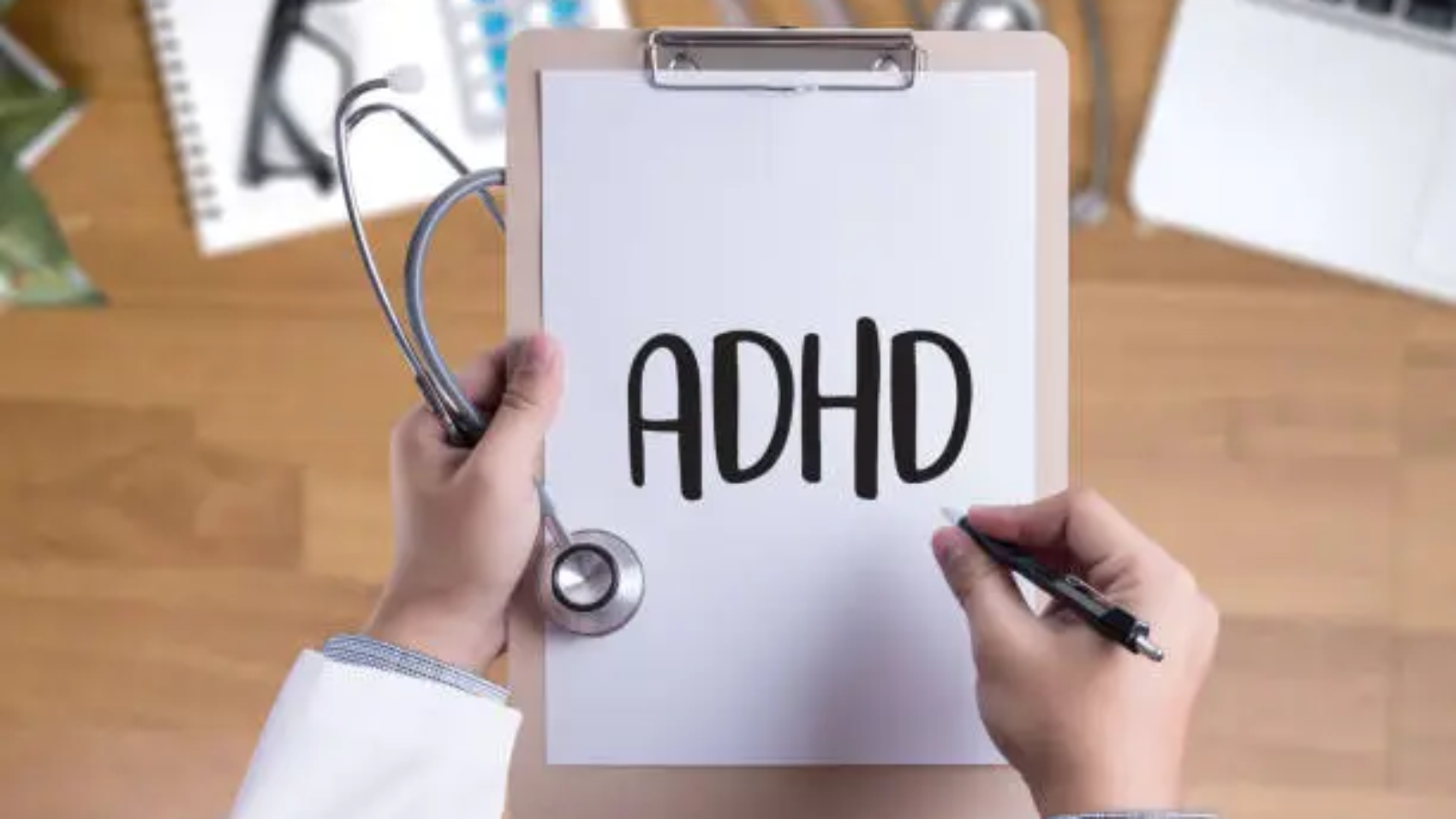
What is adult ADHD and how to diagnose and treat it?

Adult ADHD, marked by ongoing challenges in attention, impulsivity, and hyperactivity, significantly affects daily life and often originates from childhood. While previously seen as a childhood condition that would outgrow with age when impulse control develops, recent years have seen a rise in recognition, diagnosis, and successful management of ADHD in adults. Nonetheless, longitudinal research indicates that a considerable portion of children with ADHD, up to 60 percent, continue to grapple with symptoms and functional impairments well into adulthood.

Types of ADHD 

ADHD is typically classified into three types:

  1.  Inattentive Presentation 
  2.  Hyperactive-Impulsive Presentation 
  3. Combined Presentation – This type involves a combination of both inattentive and hyperactive-impulsive symptoms.

Symptoms 

ADHD Inattention presentation

  • Making careless mistakes
  • Trouble Focusing
  • Difficulty Listening
  • Failing to Complete Tasks
  • Poor Organizational Skills
  • Avoiding Tasks that requires sustained focus
  • Losing Important Items
  • Easily distracted
  • Forgetfulness

ADHD Hyperactive-Impulsive Presentation

  • Leaving seat when required to stay (e.g., meetings or lectures)
  • Blurting out answers, completing others’ sentences
  • Interrupting or intruding on other’s activities
  • Struggling to remain quiet
  • Fidgeting
  • Often on the move, unable to sit still
  • Difficulty waiting turn
  • Excessive talking
  • Restlessness

Childhood behavioural manifestations

In childhood, the manifestations of Adult ADHD typically involve a range of behaviors like excessive talking, restlessness, difficulties with reading and comprehension, impulsivity, blurting out answers without thinking, daydreaming, and struggling to wait in line. Additionally, inattention may lead to forgetfulness and poor academic performance in school days. 

When to seek help

If any of the symptoms mentioned above consistently interfere with your daily life, seeking professional help is advisable. 

Need for seeking professional help

Adults with ADHD often struggle in their daily lives, experiencing challenges in education and work due to difficulties with time management, staying focused, and completing tasks. They may engage in risky behaviors like speeding or reckless driving. When ADHD is combined with substance abuse or dissocial behavior, legal problems may arise. However, with the right support and treatment, there’s hope for better outcomes, including improved job performance and overall well-being.

Adult ADHD symptom rating and assessment scales 

Self-report checklists are available online; however they are not diagnostic of ADHD. A diagnosis requires a comprehensive evaluation by psychiatrist / clinical psychologist. Evaluation includes a diagnostic interview and objective assessment by neuropsychological tests for attention and working memory. 

Management 

Treatment for ADHD often involves medication, especially stimulants, which can lead to significant improvement in symptoms for up to 75% of people. Nonstimulant medications may take longer to work but can still be effective. Along with medication, therapy can help reduce symptoms and improve daily functioning for individuals with ADHD. Overall, early intervention promotes better symptom management and overall well-being.

Exploring the significance of mental health and the consequences of poor mental health leads to an understanding of essential components, including the role of medication. However, psychiatric medication is frequently disregarded and viewed negatively, while therapy is highly regarded. This biased perception towards medication in mental health needs to be addressed and debunked.

Assessing the severity of mental health disorders or issues is crucial, and it requires conducting tests and interviews before initiating treatment. For severe cases, medication is often prescribed, and it is essential to have a clear understanding of the medication’s purpose. While mental health professionals are open to answering any questions about medications and creating a safe space for their patients to clarify their doubts, some people tend to hold onto negative beliefs about psychiatric medication. Here are some common misconceptions.

Psychiatric Medication Is Addictive:

One of the common misconceptions surrounding psychiatric medication is that it is addictive. However, it is important to understand that mental health drugs come in different forms and dosages, such as antidepressants and anxiety medication. Unlike illegal drugs that cause addiction, psychiatric medication is administered in a controlled setting, and the dosage is managed, usually for a short term depending on the disorder. Holding onto this false belief may discourage people from seeking help, which could ultimately worsen their symptoms. It is crucial to note that there are many non-habit forming drugs available, and mental health professionals can provide guidance on selecting the right medication.

Psychiatric medication needs to be taken for a long time:

One of the common misconceptions surrounding psychiatric medication is that it is addictive. However, it is important to understand that mental health drugs come in different forms and dosages, such as antidepressants and anxiety medication. Unlike illegal drugs that cause addiction, psychiatric medication is administered in a controlled setting, and the dosage is managed, usually for a short term depending on the disorder. Holding onto this false belief may discourage people from seeking help, which could ultimately worsen their symptoms. It is crucial to note that there are many non-habit forming drugs available, and mental health professionals can provide guidance on selecting the right medication.

Psychiatric Medication and its side effects:

All drugs, including mental health medication, have potential side effects, varying in intensity from mild to severe. A mental health professional prescribes medication based on the patient’s medical history, current diagnoses, and symptom severity. Initially, the first few weeks are devoted to finding the most suitable medication for the patient, and only then is the medication continued. Mental health professionals prioritize selecting medication with minimal side effects to ensure patients’ comfort, and if there are any potential side effects, they will inform the patient to prepare them and prevent them from feeling uninformed.

Final Thoughts:

If you or someone you know is displaying symptoms of poor mental health, it is crucial to consider seeking help from a psychiatrist or another mental health professional. Once you have taken the initial step, the mental health professional will guide you through the next steps, which may include medication. It is important to ask questions and clarify any doubts about the medication prescribed to know what to expect. The mental health professional will assist in addressing any uncertainties to ensure that the patient is comfortable with the treatment plan.